
In November I ran my first Root to Rise retreat in South Africa. I'd been planning it for the best part of a year, and I went in thinking I'd covered everything.
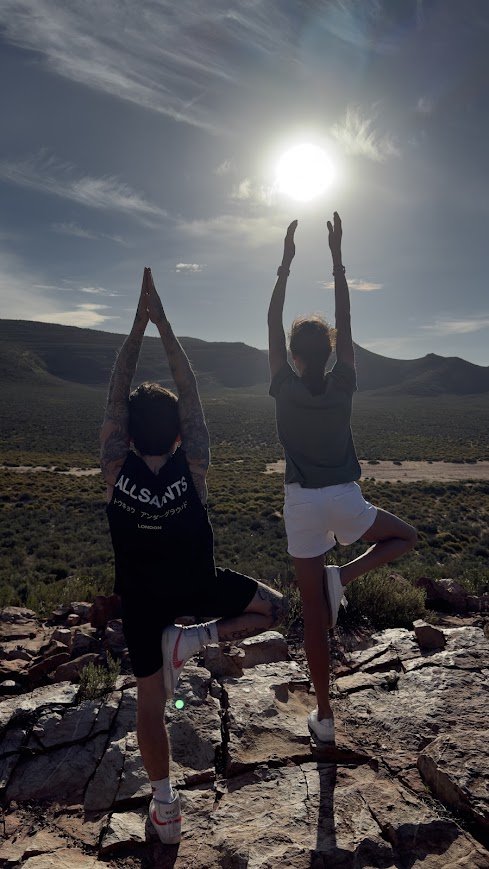
It's always been my dream to share my home with people who've never been here before, and to give them a sliver of what this beautiful country has to offer. Root to Rise brings together the three things that mean the most to me: yoga, Cape Town and community.
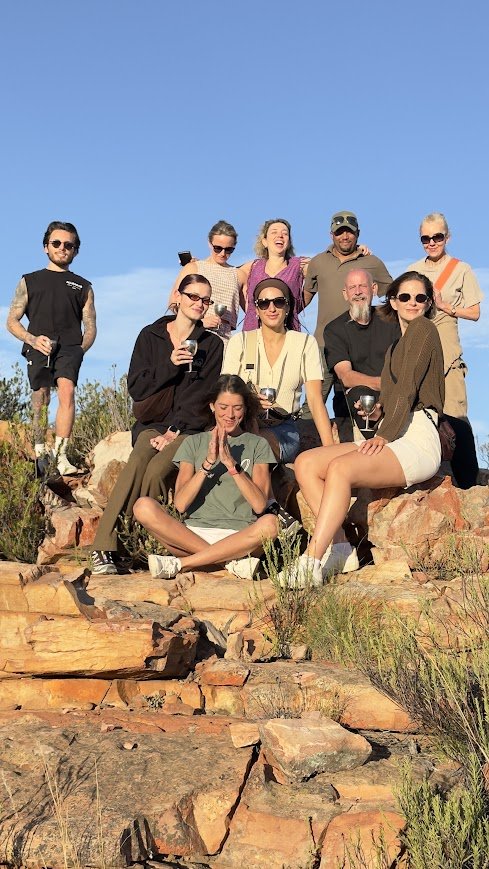
And in lots of ways, it was everything I'd hoped. We laughed a lot, and we saw things none of us will forget.
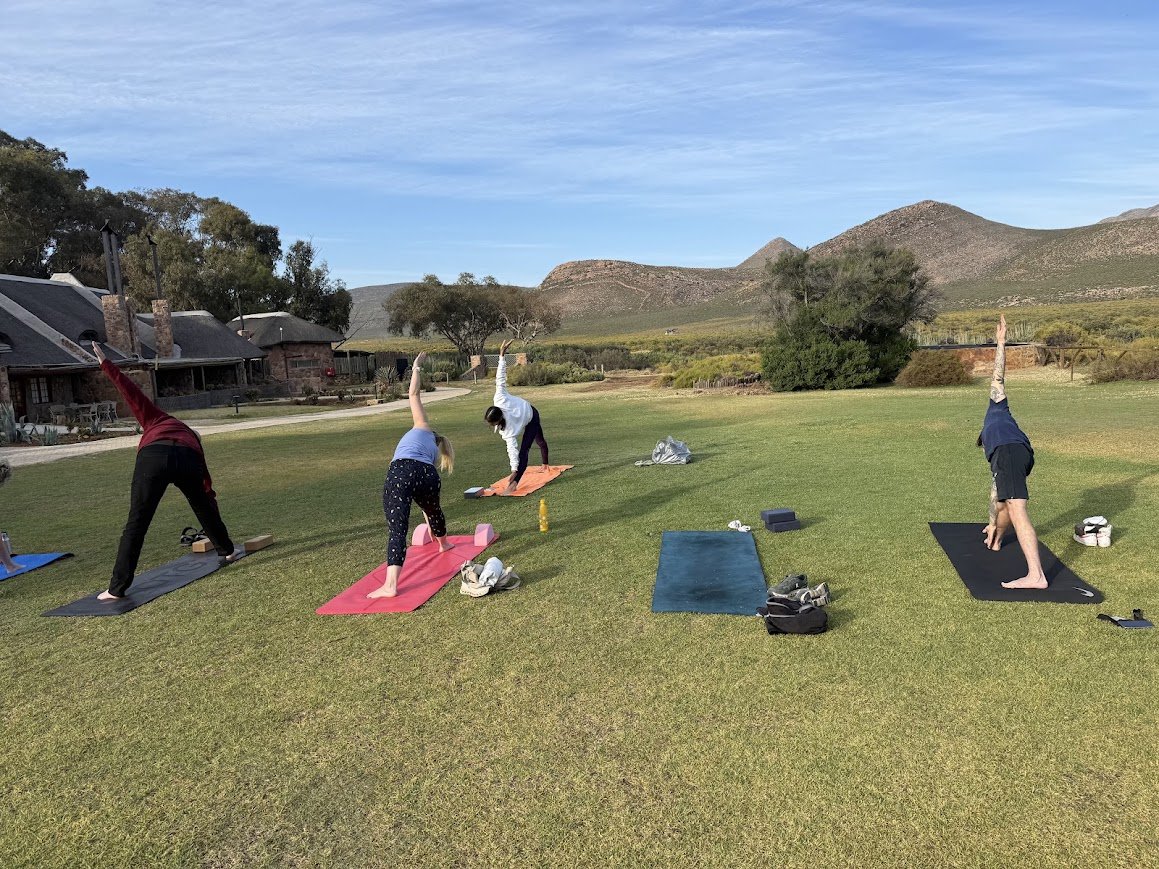
But somewhere in the middle of the week, I started to notice the pace. We were often running a little late, always on our way to the next thing. We still practised twice a day, but the times kept moving, sessions got squeezed, and the rhythm I'd so carefully planned never really settled.
When the feedback came in, most of it was glowing. One guest called the week "not to be missed". Another said nothing ever felt forced, and that she'd happily have stayed another week. But one guest put it gently and honestly: she'd come to deepen her yoga and to properly rest, and she didn't get quite enough of either. I took that seriously, because I'd felt it too.
I've spent the last few weeks sitting with it. Here's what I've learnt.
1. You can't please everyone
I went into November wanting every single person to have the perfect week. Someone wanted more yoga, someone wanted more adventure, someone wanted a lie-in, someone wanted to see everything. I tried to say yes to all of it. And in trying to give everyone what they wanted, I spread the week a little thin.
What I've realised is that a retreat needs a clear shape. Not everyone will love every part of it, and that's OK. My job is to create something with a real heart to it, be honest about what that is, and trust that the right people will choose to come.
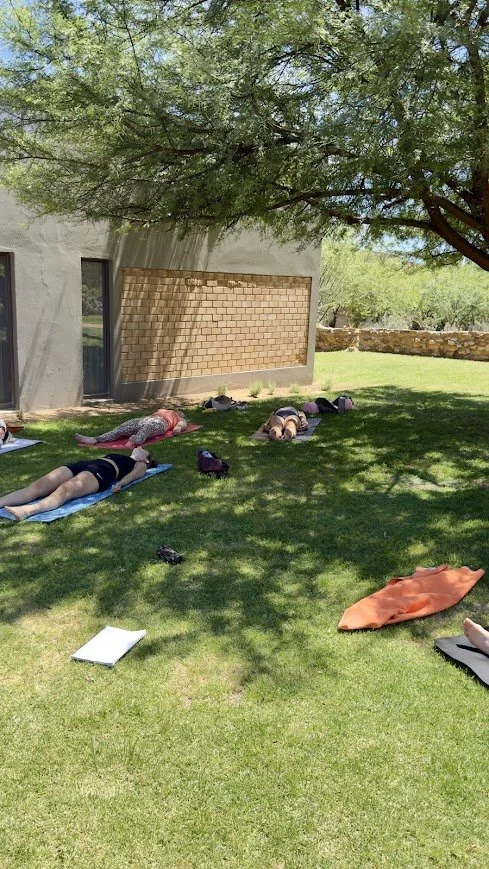
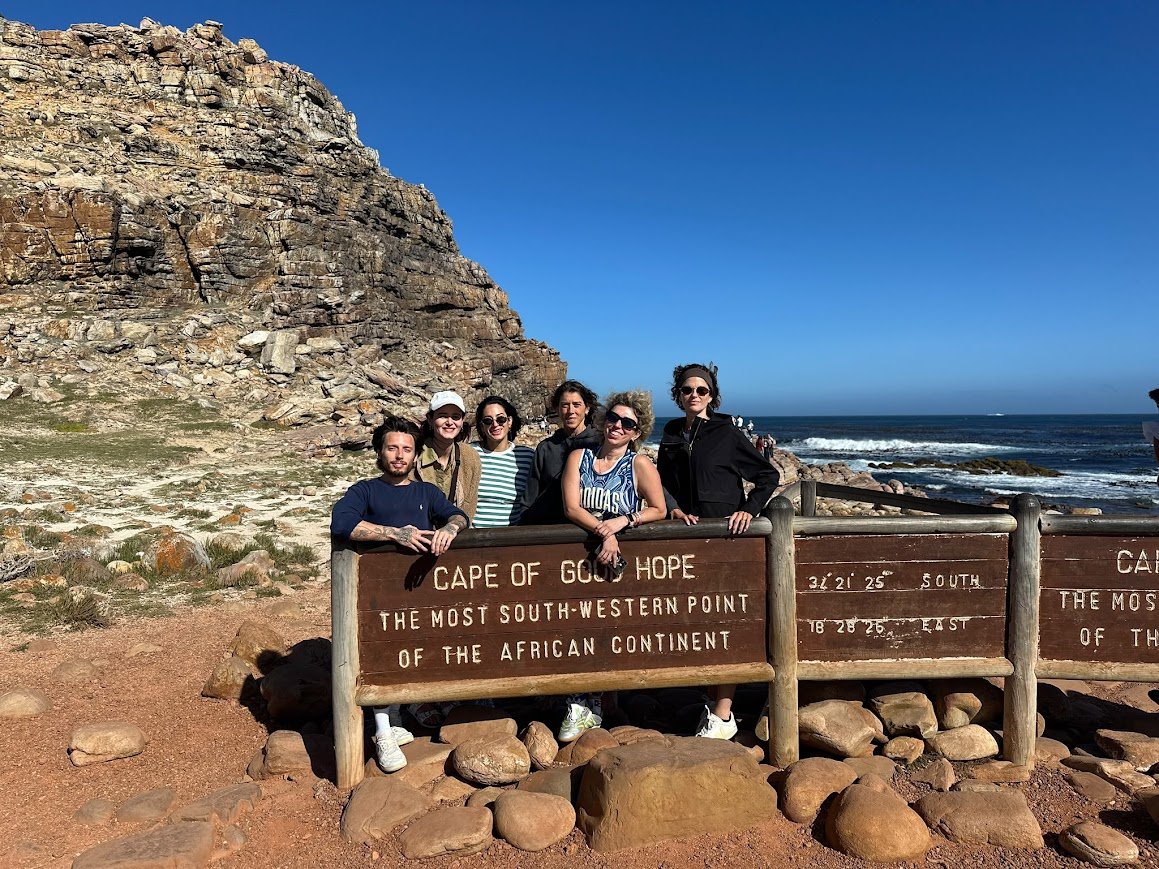
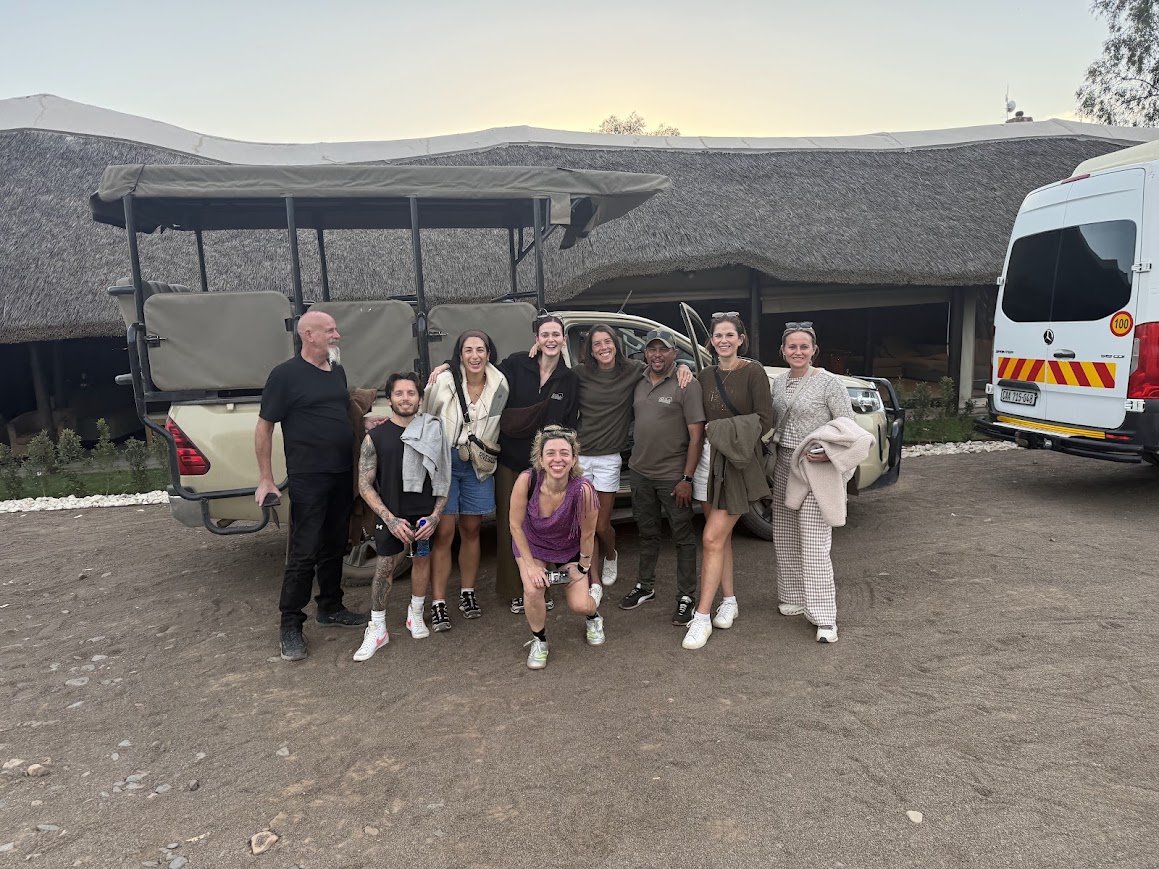
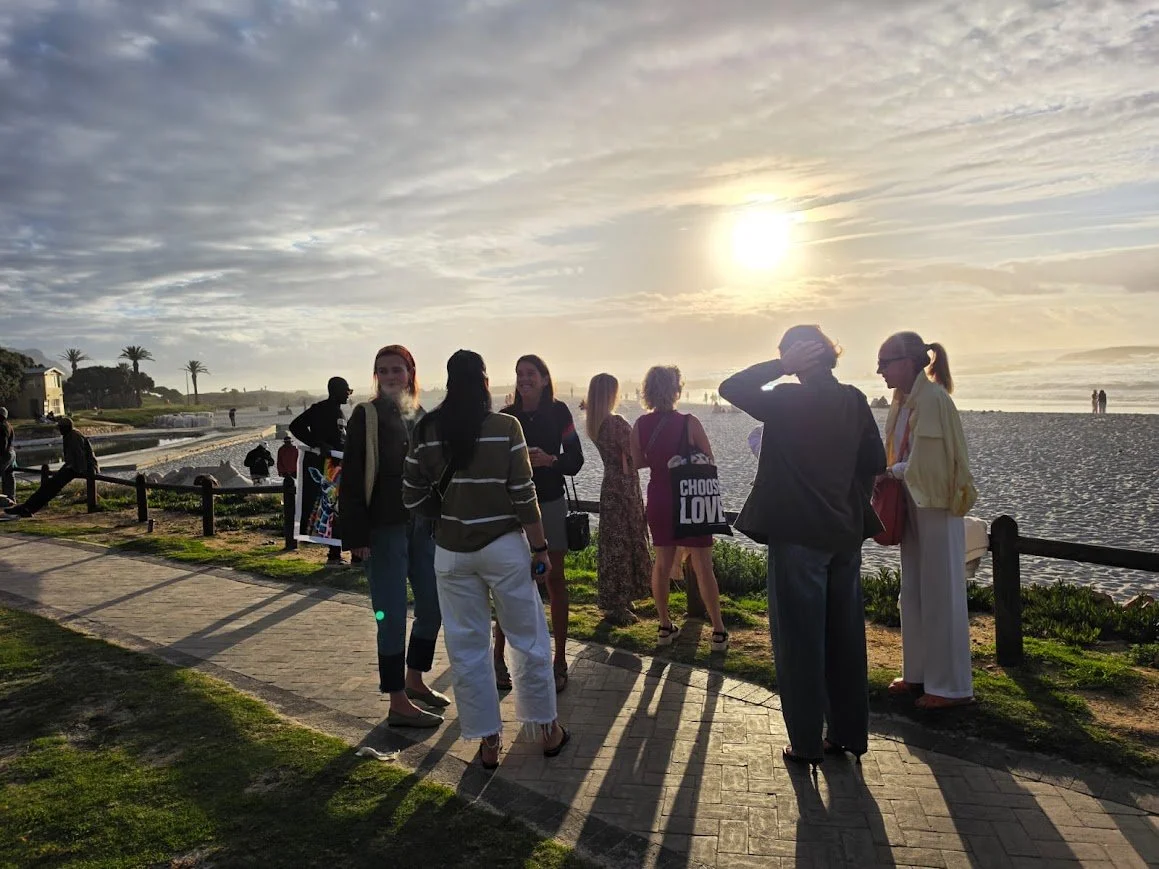
2. Less is more
I wanted to show people everything. Every mountain, every beach, every view I love. But if you try to squeeze the whole Western Cape into one week, there's less room to really feel it.
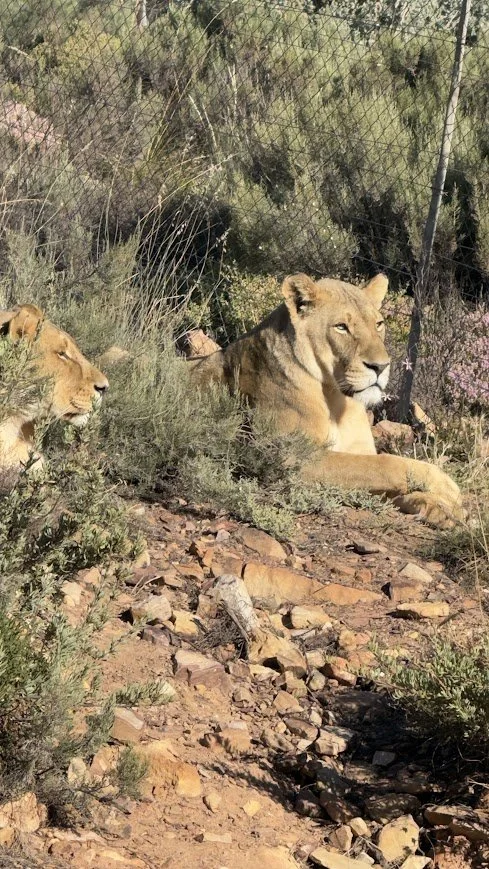
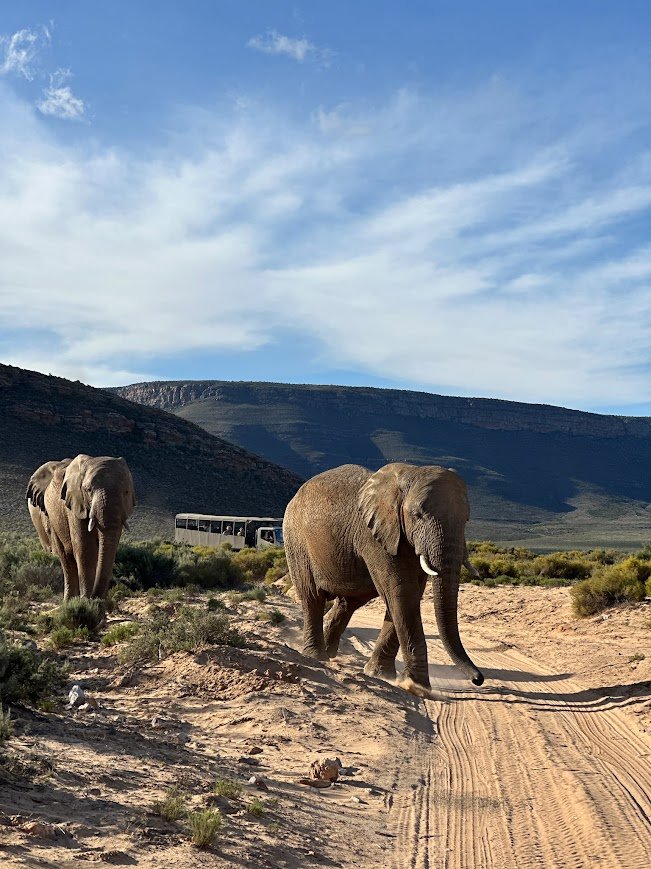
So for March, I've let a lot go. We'll do the game drives at Aquila, Table Mountain with a slow afternoon at Kirstenbosch, and the penguins in Simon's Town with the drive along Chapman's Peak. That's enough. Lunches are gone too, because three big meals a day was more than most of us needed. And there's a whole day with nothing planned at all. Empty time isn't wasted time. It's often where the real rest happens.
(A little tip I picked up along the way: if you want to see the penguins, start at Seaforth. That's where most of them gather, on Foxy Beach. Boulders Beach is lovely for a swim, but you'll often find far fewer penguins there than the name suggests.)




3. Timing is important
This one surprised me most. So much of the rushing in November came down to a few minutes here and there. People arriving late to practice. A game drive waiting for one more person. A transfer leaving behind schedule. None of it was a big deal on its own. But add it up over a week and it's why some days felt tighter than they needed to. And it's always the quiet things that get squeezed first. We never skipped our two practices a day, but they kept getting moved and shortened, and it's hard to sink into something that keeps shifting.
So in March, practice happens twice a day at fixed times, and those times don't move. Game drives leave on time. Transfers go on time. And please arrive in Cape Town in good time for the group airport transfer, because that first pickup sets the tone for the whole week.


4. Flexibility is key
Which might sound like it contradicts everything I've just said about timing. But yoga teaches us to trust the process and to stay open, and I needed both more than ever that week. When you're looking after a group, things go wrong. Plans change, difficult situations come up, and you're coordinating a hundred moving parts at once. You can't do that and be rigid.
The skill is knowing what to hold firmly and what to hold lightly. The practice I'll hold firmly. Almost everything else I'll hold lightly, and trust that the week will unfold the way it needs to.




5. Set boundaries and expectations from the start
This was a big one for me. I assumed everyone would arrive with the same idea of what a retreat is. Of course, everyone brings their own, and that's completely fair.
So I'll be clear from the moment you book. This is a week to step away from your life at home, so no work calls or meetings. Phones go away at meals (photos are fine!). And we treat each other, our guides and the people looking after us with kindness and respect. Saying this upfront isn't about rules. It's about protecting the space for everyone in it.




6. Agree how we'll communicate
In November, information didn't always reach everyone at the same time. A change of plan might be mentioned over breakfast and never quite reach the people still in their rooms. A pickup time might get passed on second-hand and shift slightly along the way. Nobody was doing anything wrong. But when people aren't sure what's happening, they hang back and wait to be told, and that's usually when someone ends up late or confused.
I also realised I'd made myself the only source of information. Every question came to me, often while I was in the middle of something else. That's exhausting for a host, and it's not great for guests either, because they're always one step behind.
So for March, everyone joins one group chat before we travel. Each morning I'll post the plan for the day: practice times, when we leave, what to bring. If anything changes, it goes there, so everyone hears it at the same moment. It sounds so simple. But one clear channel takes away a surprising amount of stress, for everyone.

7. Imposter syndrome is real
I didn't expect this one. I know my yoga. I know South Africa. I'd planned every detail. And still, standing in front of my first retreat group, there were moments I thought: who am I to be doing this?
It crept in over the smallest things. A plan that had to change. A guest who looked tired or a bit quiet. Every time, the voice in my head asked whether I was doing enough.
But here's what I've come to understand. Nobody running their first retreat has done it before. Every host, every teacher, every person who's ever started something new has stood exactly where I stood. The doubt doesn't mean you're not ready. Usually it just means you care, and that you know how much it matters to the people who've trusted you with their week.
I'm sharing this because I suspect a lot of you know that voice too, at work, as a parent, in whatever you're building. If you do, I hope it helps to know it turns up for all of us. You don't have to wait for it to go away. You just keep going anyway.



8. Don't overthink it while you're in it
I spent a lot of that week in my head. Replaying conversations from the day before. Lying awake wondering whether everyone was happy. Planning tomorrow's timings while I was meant to be enjoying tonight's sunset. A bit ironic, given I was there to teach presence.
And the thing is, overthinking didn't make anything better. It didn't change the weather or get anyone out of the door any faster. It just took a little of the joy out of it for me, and there were moments I'd dreamed of sharing that I could have savoured more.
Reflection matters. That's what this whole post is. But it belongs afterwards, with a cup of tea and a bit of distance. In the moment, the best thing I can do is put down the mental checklist and be there, fully, with the people in front of me.
It's exactly what we ask of ourselves on the mat: notice the thought, let it pass, come back to the breath. In March I'll be practising that right alongside everyone else.


9. People are accountable for their own experience
This was the hardest lesson, and probably the most freeing.
As a host, I'd taken on responsibility for everything. Whether people were rested. Whether they were having fun. Whether they got enough yoga, enough sleep, enough of South Africa. If someone wasn't happy, I assumed it was my job to fix it.
But I can't make anyone rest. I can't make anyone put their phone away, go to bed early or turn up to practice on time. I can create the space, plan the week, choose the places and teach the classes. What people do with that space is up to them.
That isn't me stepping back. It's what a retreat is really about: taking responsibility for your own wellbeing, your own choices and your own experience. Nobody can do that part for you, however much they care.
So I'll be clear about it from the start. My job is to make it as easy as possible for you to have the week you came for. Your job is to say yes to it.


What I'm carrying forward
November taught me that a retreat isn't measured by how much you fit into it. It's measured by how you feel when you leave. Lighter. Steadier. A bit more like yourself.
March will still be a South African adventure, with wild open spaces, mountains, ocean and that huge Karoo sky. But it will be slower, gentler and deeper, with yoga at its heart.
Two practices a day at fixed times, every day
Four workshops: setting intentions and journaling, pranayama and breathwork, Ayurveda, and an alignment clinic
Three carefully chosen outings
A whole day with nothing scheduled
Breakfast and dinner, with light snacks in between
A small group, phones down, and time to simply be
I'm so grateful to everyone who came on that first journey with me, and especially to those who were honest enough to tell me what wasn't working. That kind of honesty is a gift. March is better because of you.
If any of this speaks to you, if you're craving a week that gives you space rather than taking it, Root to Rise runs from 10 to 16 March 2027. Have a look at the retreat or drop me a message. I'd love to share my home with you.
Maz