
Cape Town in November: What to Expect on a Yoga Retreat in the Western Cape
If you’re considering a yoga retreat in Cape Town and the timing feels uncertain, November is one of the most remarkable windows in the South African calendar. It sits in that suspended moment between spring and summer… Warm enough to wake up to without a layer, cool enough to sleep beneath a single blanket. Bright enough for long mornings on the mat, and not yet busy with the December rush.
I was born and raised in South Africa, and I relocated to the UK 20 long years ago. They say that if you are born in Africa, your heart stays in Africa, and I go home once a year, sometimes twice. But after years of returning to the Cape in different seasons, November has become the month I find myself recommending most often for holidays and retreats. Here’s an honest look at what the weather, the landscape, and the rhythm of the region actually offer at this time of year (and what to consider before booking).
What is the weather like in Cape Town in November?
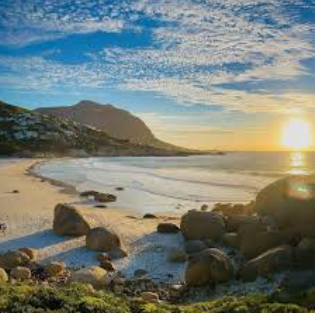

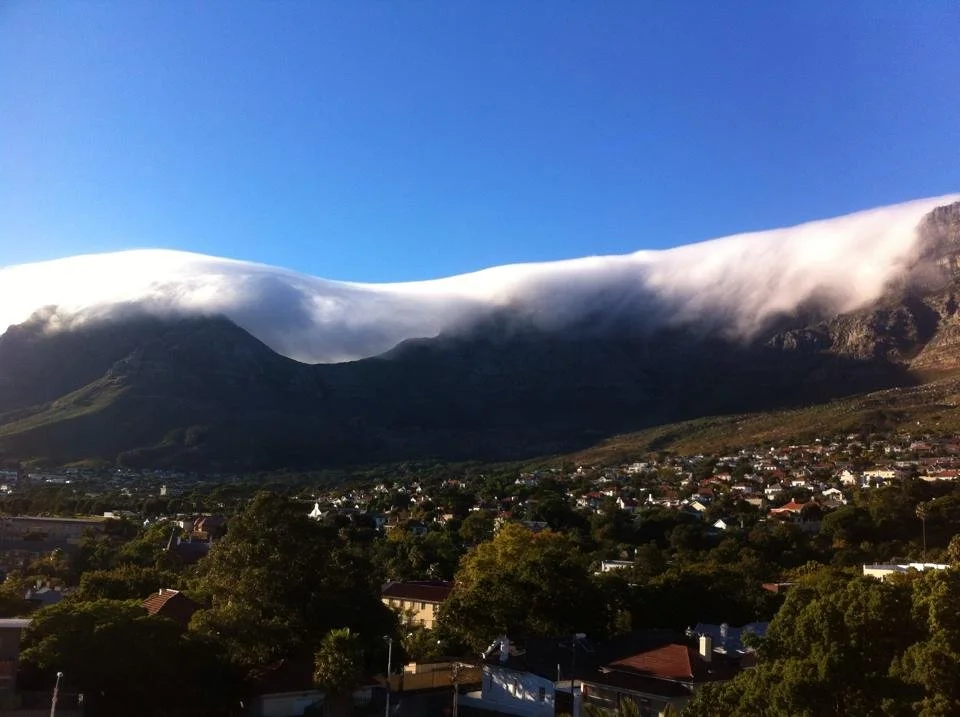
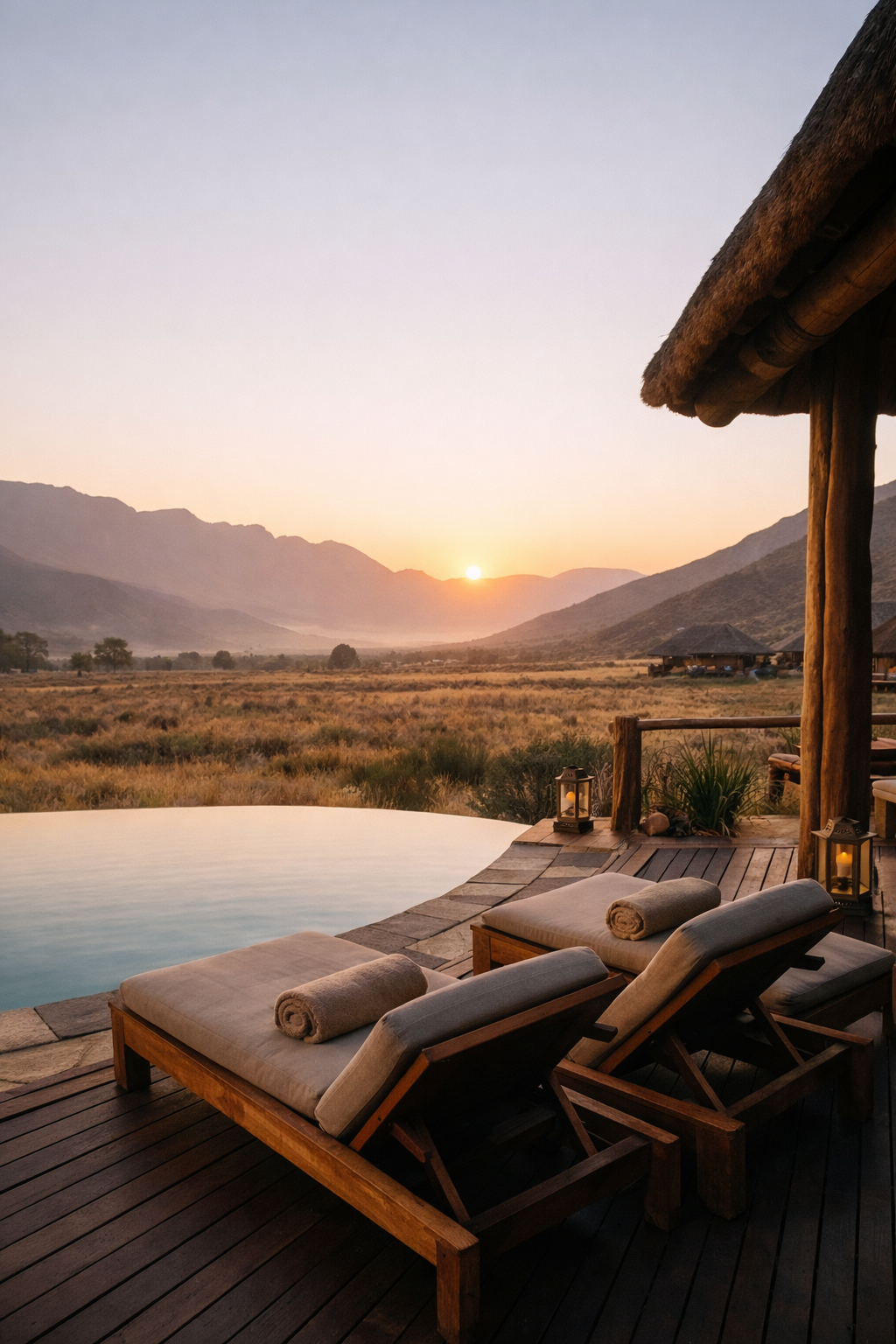
November in Cape Town marks the official tail of spring and the soft beginning of the Southern Hemisphere summer. Daytime temperatures typically sit between 22°C and 24°C, dropping to around 13°C to 15°C at night. You can expect roughly 10 hours of sunshine per day and only 5 to 6 days of light rain across the entire month, with monthly rainfall averaging around 40mm (comparable to a dry English summer).
What this means in practice: most mornings are bright and still, perfect for sunrise yoga outdoors. Afternoons are warm without being oppressive, and evenings carry just enough coolness for a layer over the shoulders. The famous Cape “Southeaster” wind, the so-called Cape Doctor, does pick up some days, but it’s nowhere near as relentless as in midsummer (December through February).
The ocean tells a different story. The Atlantic side of the peninsula (Camps Bay, Clifton, Hout Bay) sits at around 16°C even in November. Beautiful to look at, brisk to swim in. The False Bay side (Muizenberg, Boulders Beach, Fish Hoek) runs a few degrees warmer. If swimming matters to you, plan around False Bay.
Why November is one of the best months for a yoga retreat in South Africa
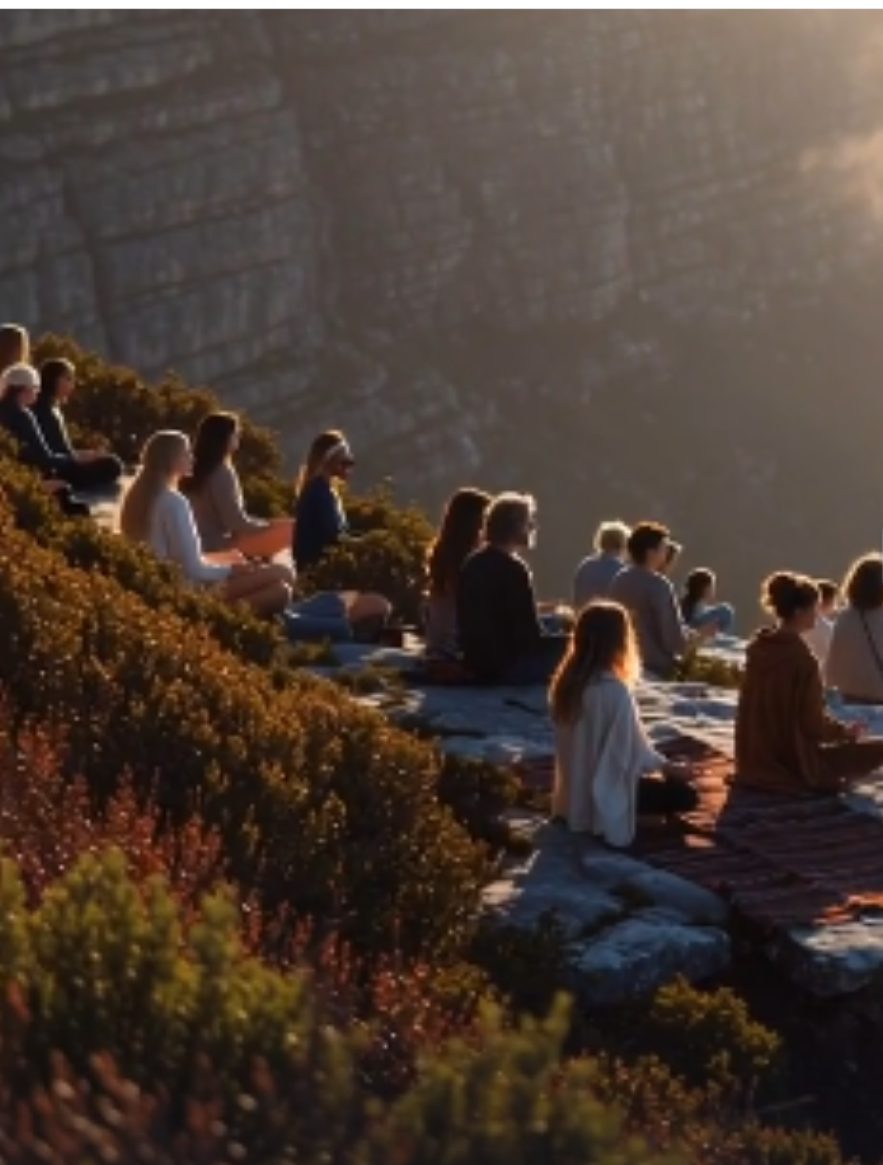
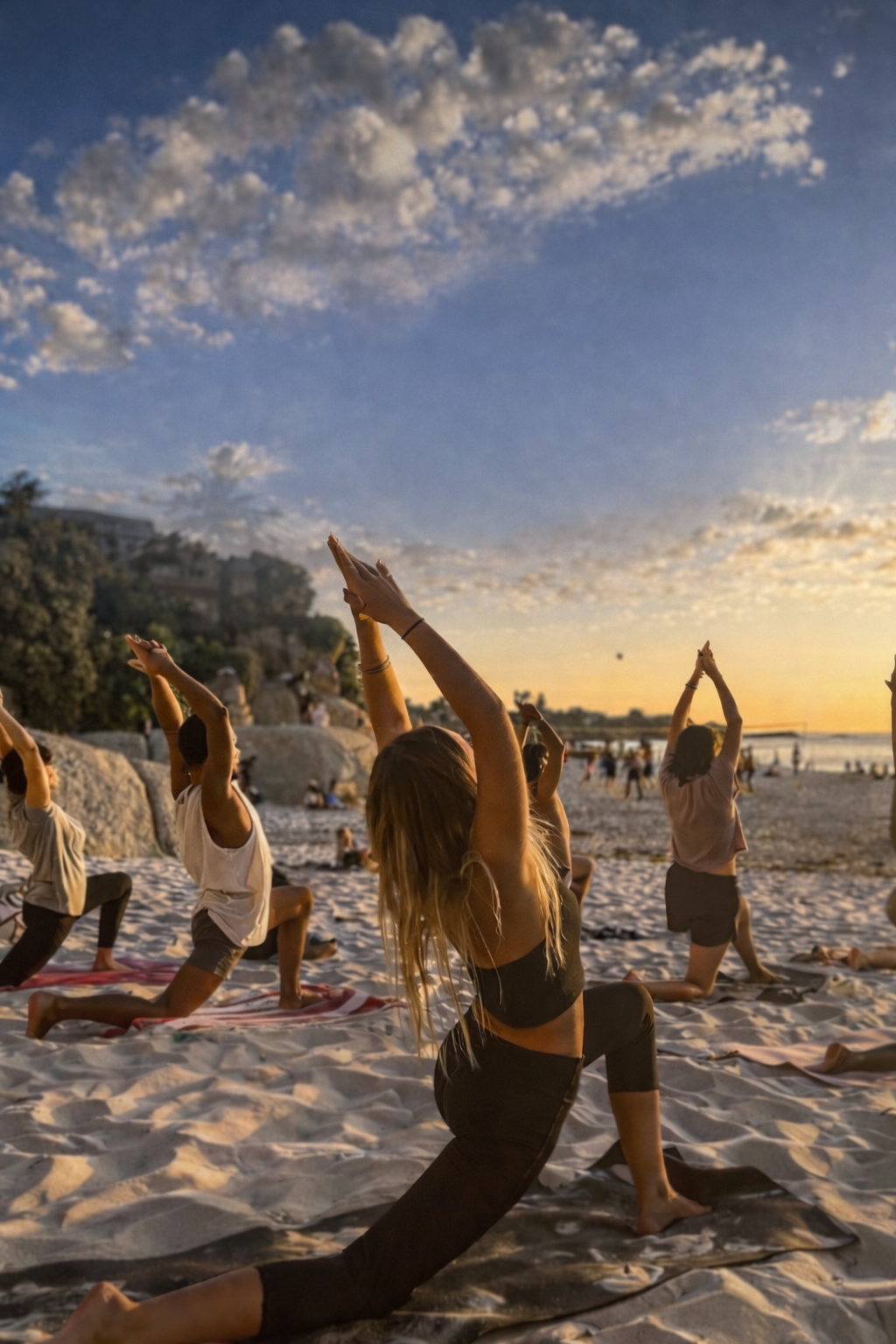
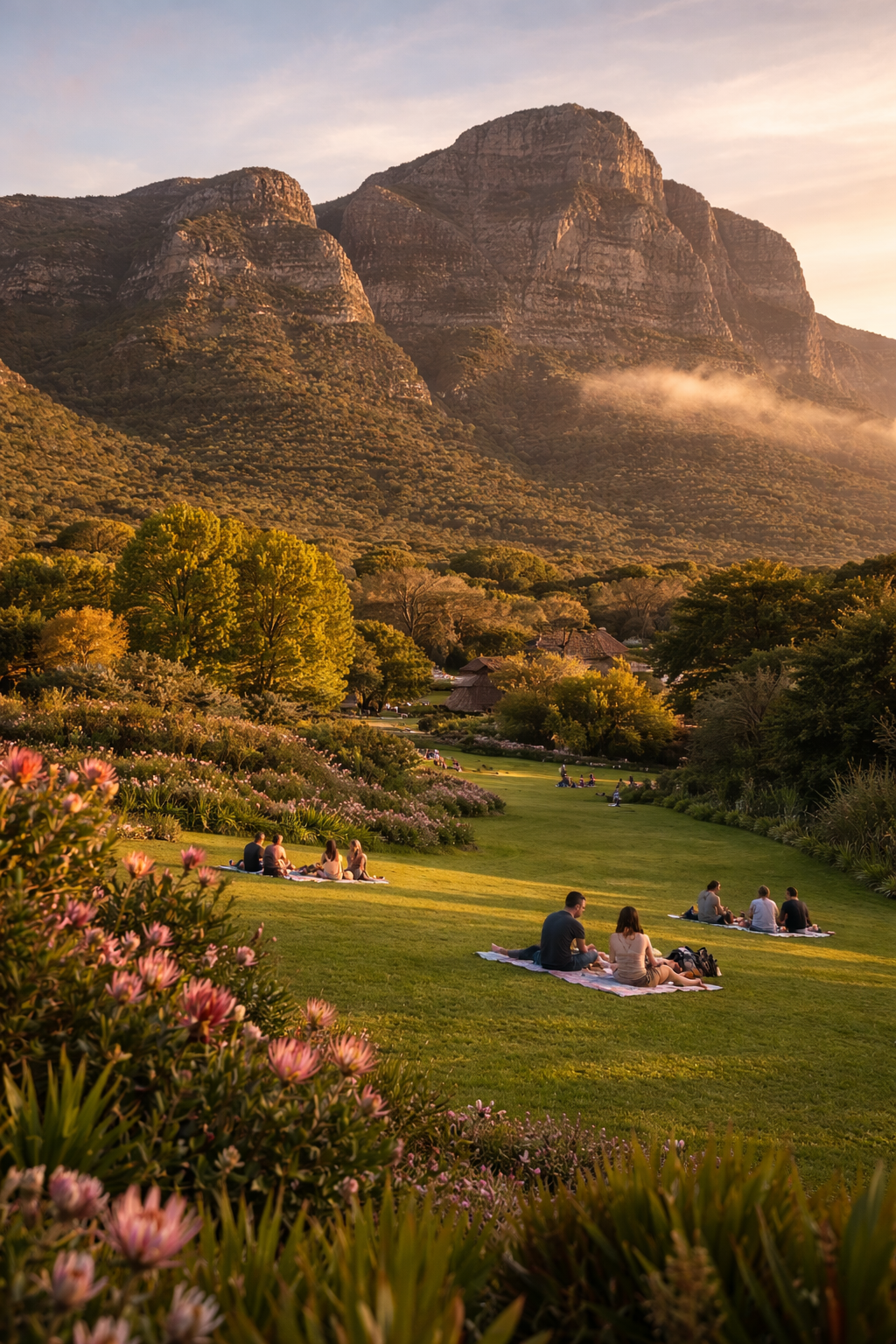
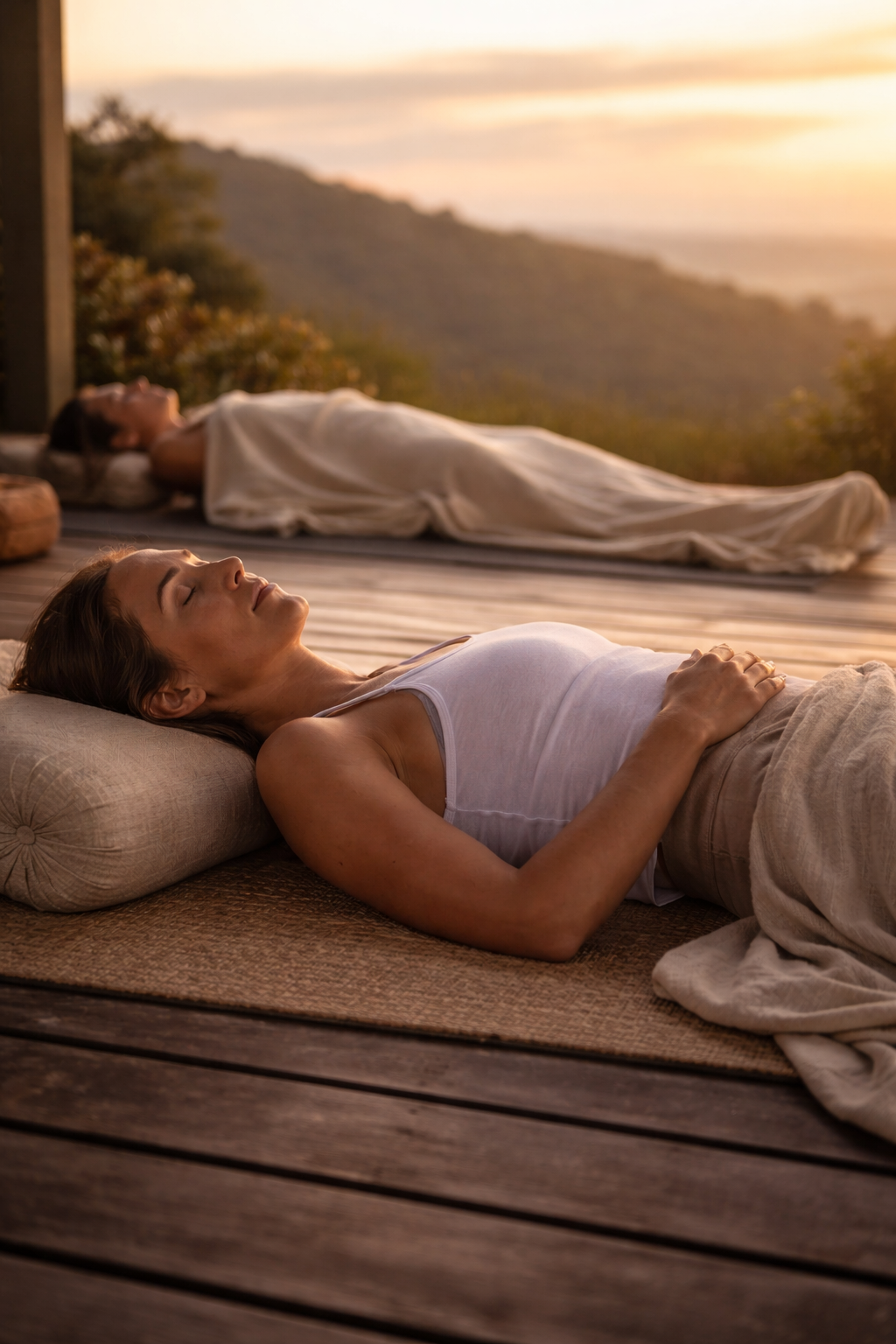
There are practical reasons November works so well for retreats, and there are subtler ones that matter just as much.
The land is in transition, and your nervous system follows. Spring has done its work… the rains have softened the soil, the fynbos has flowered, and the days are lengthening. By November, the Western Cape carries a kind of openness you don’t feel in the height of summer or the depth of winter. Long evenings, golden light from around 6pm to 7:30pm, and a sense that everything is exhaling at once. For a retreat, this matters. The pace of the land sets the pace of the practice.
It’s quieter than peak season. December and January in Cape Town are stunning, but they are also crowded. Restaurants book out weeks ahead, Table Mountain queues stretch for hours, and traffic on Chapman’s Peak Drive can stall a journey that should be a pleasure. November keeps you ahead of all of that. You’ll experience the same beaches, mountains, and wine valleys with a fraction of the visitors.
Prices are noticeably lower. International flights to Cape Town in November are typically 20–35% cheaper than in December and January. Accommodation, transfers, and excursions follow the same pattern. If you’re flying from the UK or Europe, this is one of the few times of year when a luxury experience in South Africa is genuinely accessible.
The light is exceptional for being outside. Photographers call it “magic hour weather.” From a yoga teacher’s perspective, it means morning practices can comfortably happen outdoors without the harsh heat that arrives by mid-December, and evening sessions can finish in golden light rather than darkness.
What flowers and wildlife will you see in the Western Cape in November?
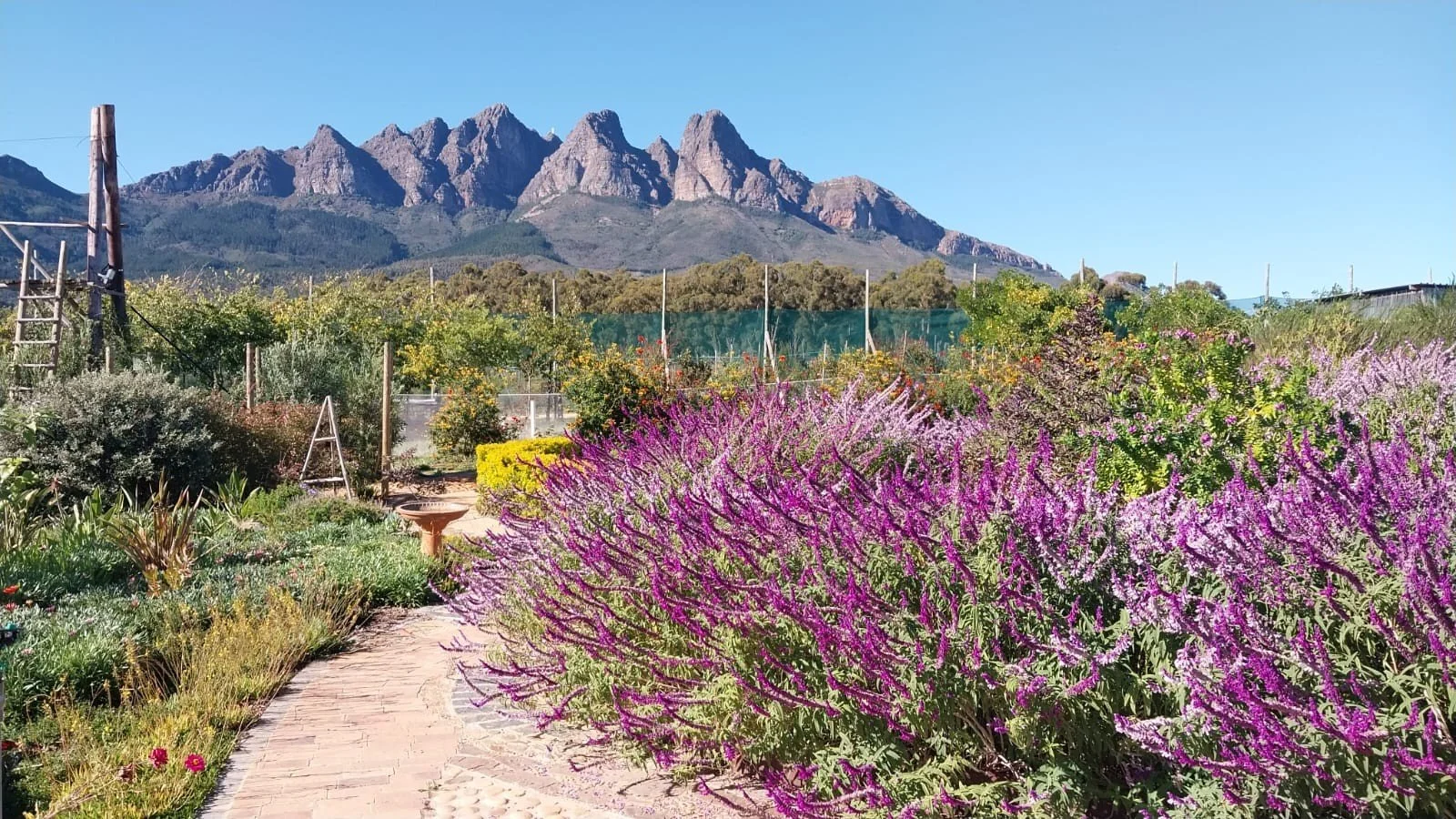
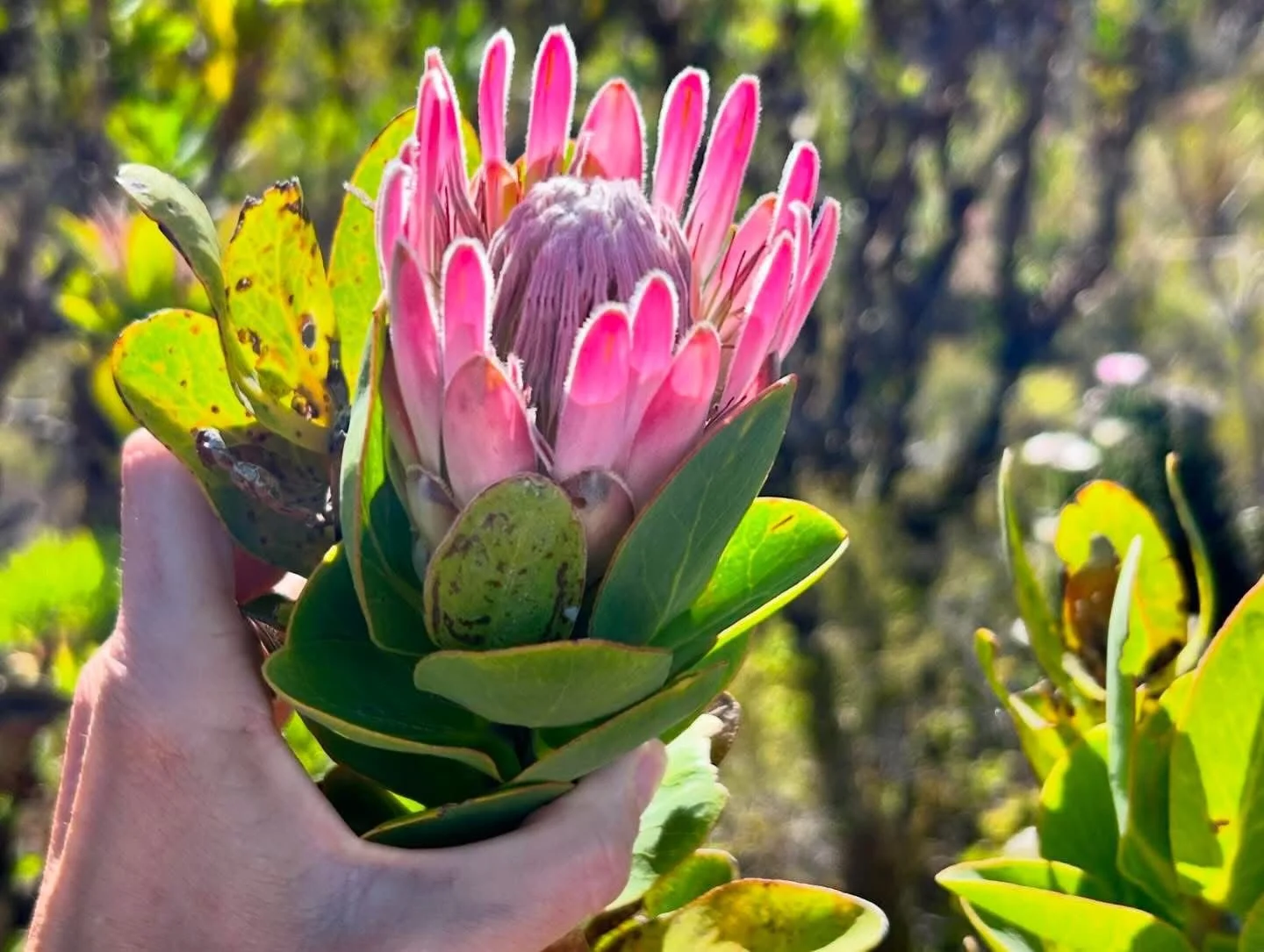
November sits at the closing edge of the Cape’s wildflower season. According to the South African National Biodiversity Institute, August through November delivers the greatest flowering display in the Cape Floral Kingdom, with nearly two-thirds of fynbos species in bloom across this window. By November, you’ll still see pincushion proteas (Leucospermum), heaths (Erica), the last of the King Proteas - South Africa’s national flower, which flowers from late winter through early summer - and the magnificent pink-canopied Cape chestnut trees coming into bloom across the peninsula.
The fynbos biome itself is worth understanding. It contains more plant species in an area the size of Israel than the entire Amazon rainforest. Walking through it in November, even on a short hike up Lion’s Head or through Kirstenbosch, is a quiet privilege.
For wildlife, November is excellent for:
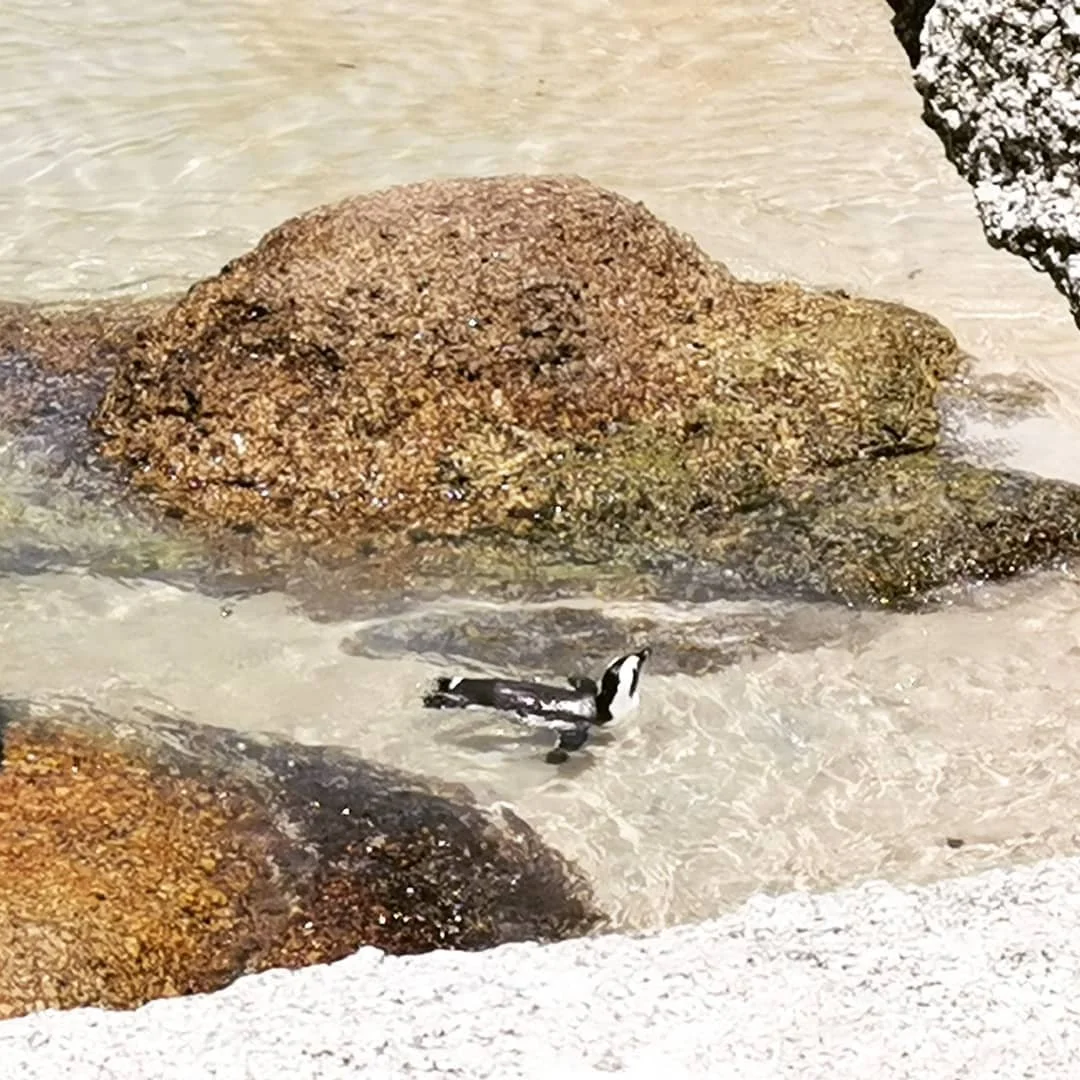
African penguins at Boulders Beach: they’re year-round residents, but November brings juveniles into the colony, which is a particularly active time to visit.
Whale season: Southern Right whales begin migrating south by mid-November, but you can still spot them off the False Bay coast in the early part of the month, particularly around Hermanus and Gordon’s Bay.
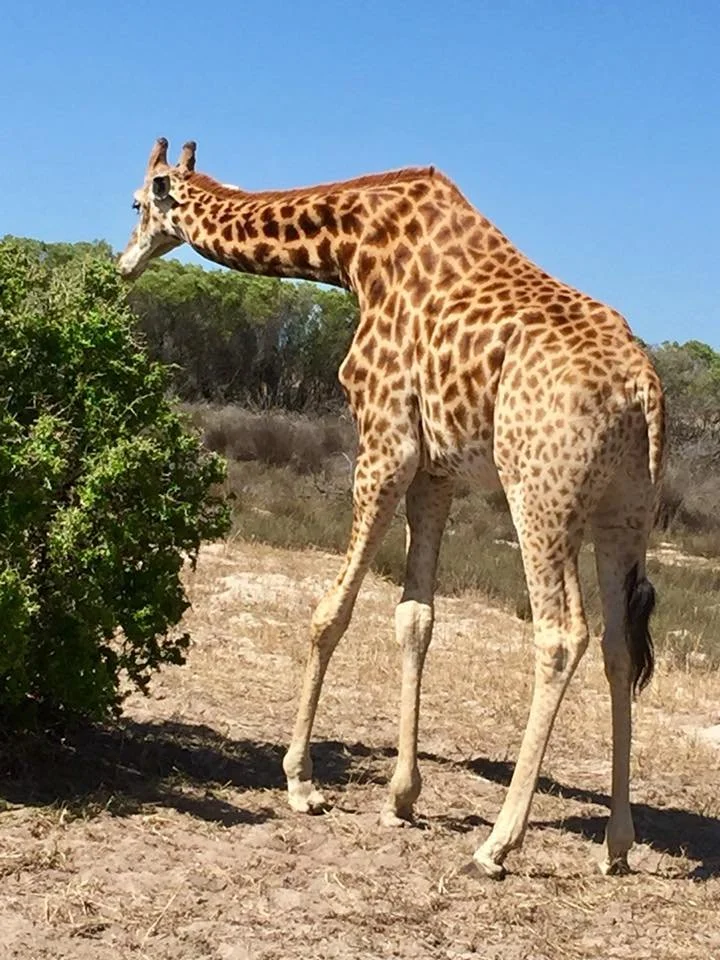
Safari game viewing in the Karoo: at reserves like Aquila, two hours from Cape Town, November sits in the sweet spot before the summer heat. Animals are active in the cooler mornings and late afternoons, and the bush is still green from the spring rains.
What should you pack for a yoga retreat in Cape Town in November?

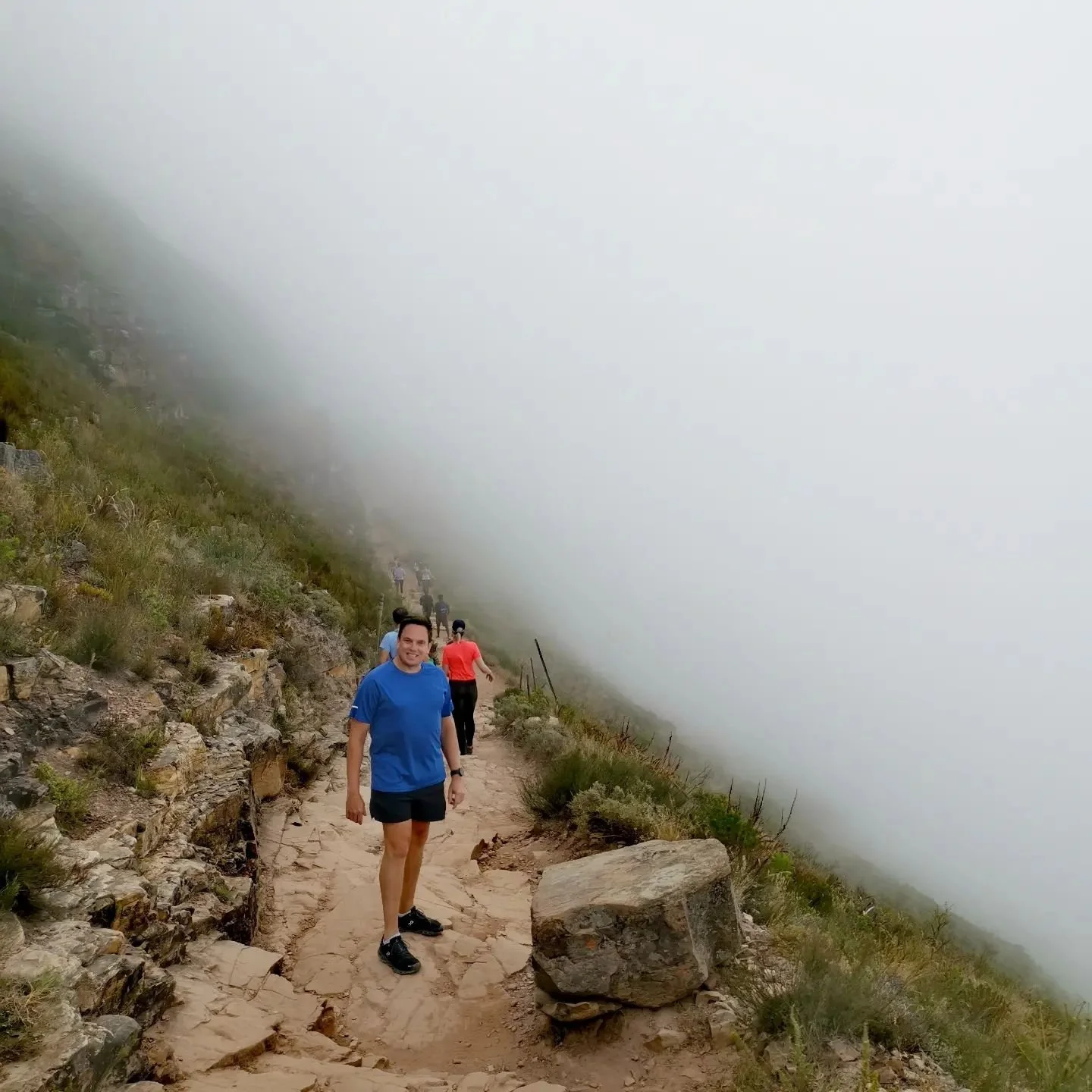
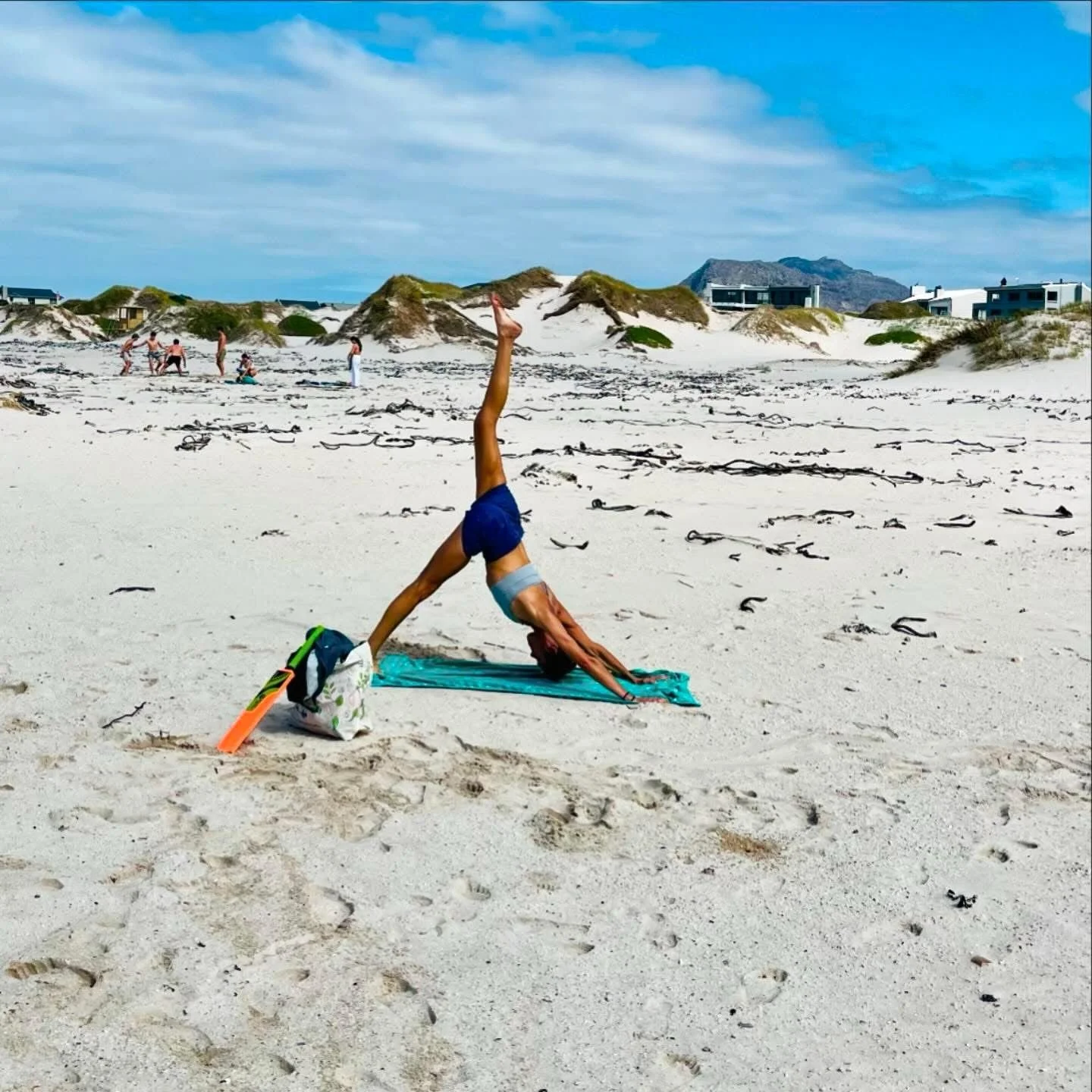
The Cape’s weather shifts within a single day, more than most visitors expect. A morning that starts at 14°C can hit 26°C by mid-afternoon and drop back to 16°C by sunset. Layers matter more than warmth.
A practical packing list for a yoga retreat in November:
Yoga clothes for both warm and cool practices - leggings for early morning sessions, shorts for midday
A light jumper or hoodie for evening practices and dinners
A windproof layer - not for cold, but for the Southeaster
Proper walking shoes - Table Mountain, Lion’s Head, Kirstenbosch, and most game reserves involve uneven ground
High-factor sunscreen (SPF 30+ minimum) - the UV index in Cape Town is dangerously high in November, often hitting 10 or 11. Many visitors underestimate this and burn badly on day one
A wide-brimmed hat and proper sunglasses
Swimwear and a quick-dry towel - for hotel pools and the warmer False Bay beaches
A reusable water bottle - Cape Town tap water is safe and excellent
Insect repellent if you’re heading to the Karoo for safari - not for malaria (the Western Cape is malaria-free), but for general comfort
What about jet lag and arrival?
For UK and European travellers, Cape Town is roughly an 11- to 12-hour direct flight, with only a 1- or 2-hour time difference depending on whether the UK is on GMT or BST. This is one of the most underrated advantages of South Africa as a long-haul retreat destination. You arrive tired from the flight, not from the time zone.
That said, a luxury retreat in Cape Town benefits enormously from a slow opening. The body needs a day or two to land properly. Look for retreats that begin with grounding rather than activity… gentle yoga, time in nature, no packed itineraries on day one. This is the difference between feeling rested by mid-week and chasing the experience the entire time.
A few things I have mentioned to take into consideration:
The Cape is windy. Even in November, you’ll have windy days. If you’re planning beach time, build in flexibility.
Sun exposure is no joke. The southern sun is far stronger than European sun. Treat it seriously.
Distances are larger than they look. Cape Town to a Karoo reserve is a comfortable two-hour drive, but plan transfers thoughtfully if your retreat involves multiple locations.
Safety is real but manageable. Cape Town is a city of contrasts. Stick to recommended areas, don’t walk alone at night, and use registered transport. A well-organised retreat removes these concerns entirely.
Bringing it together: a retreat designed around this season
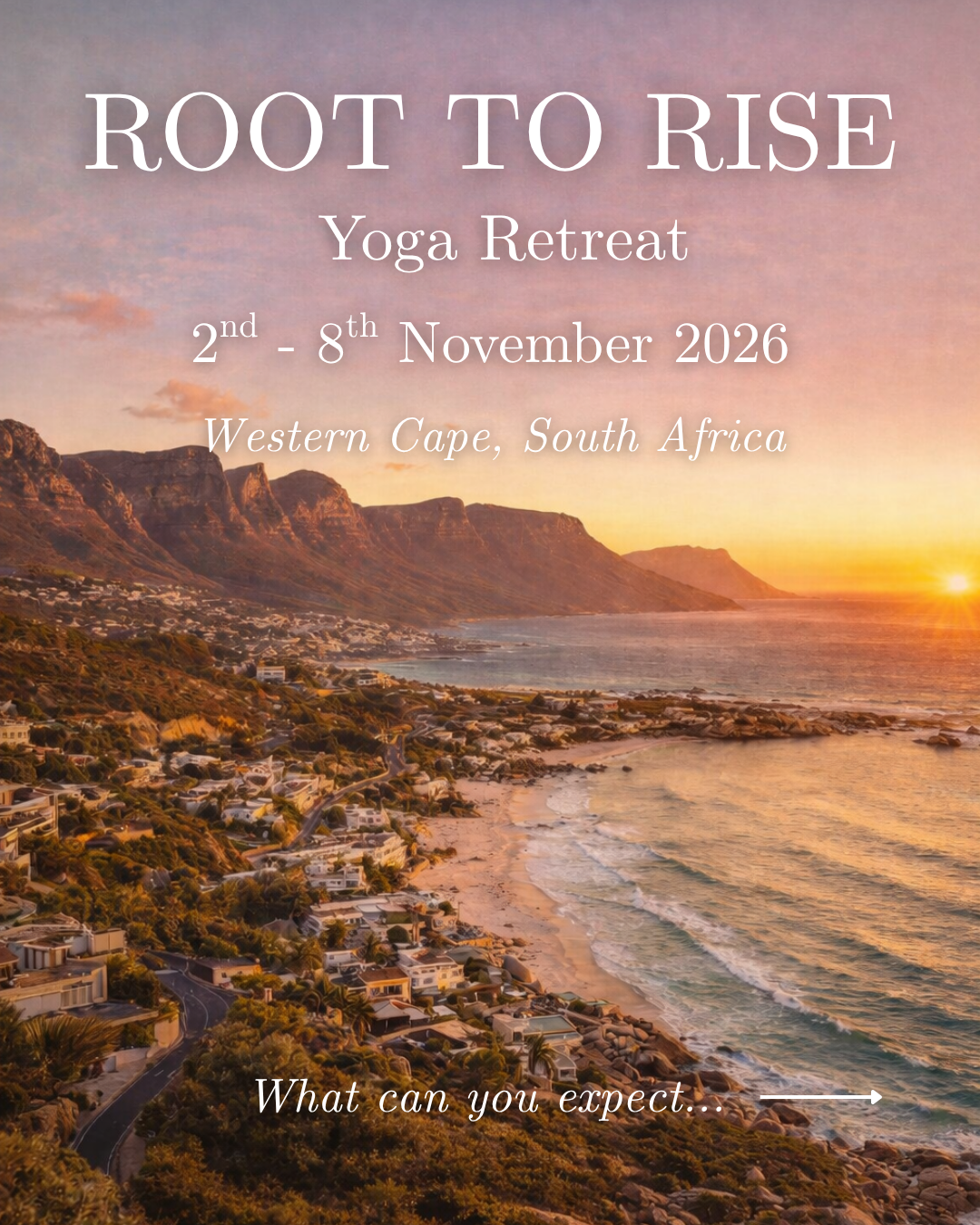
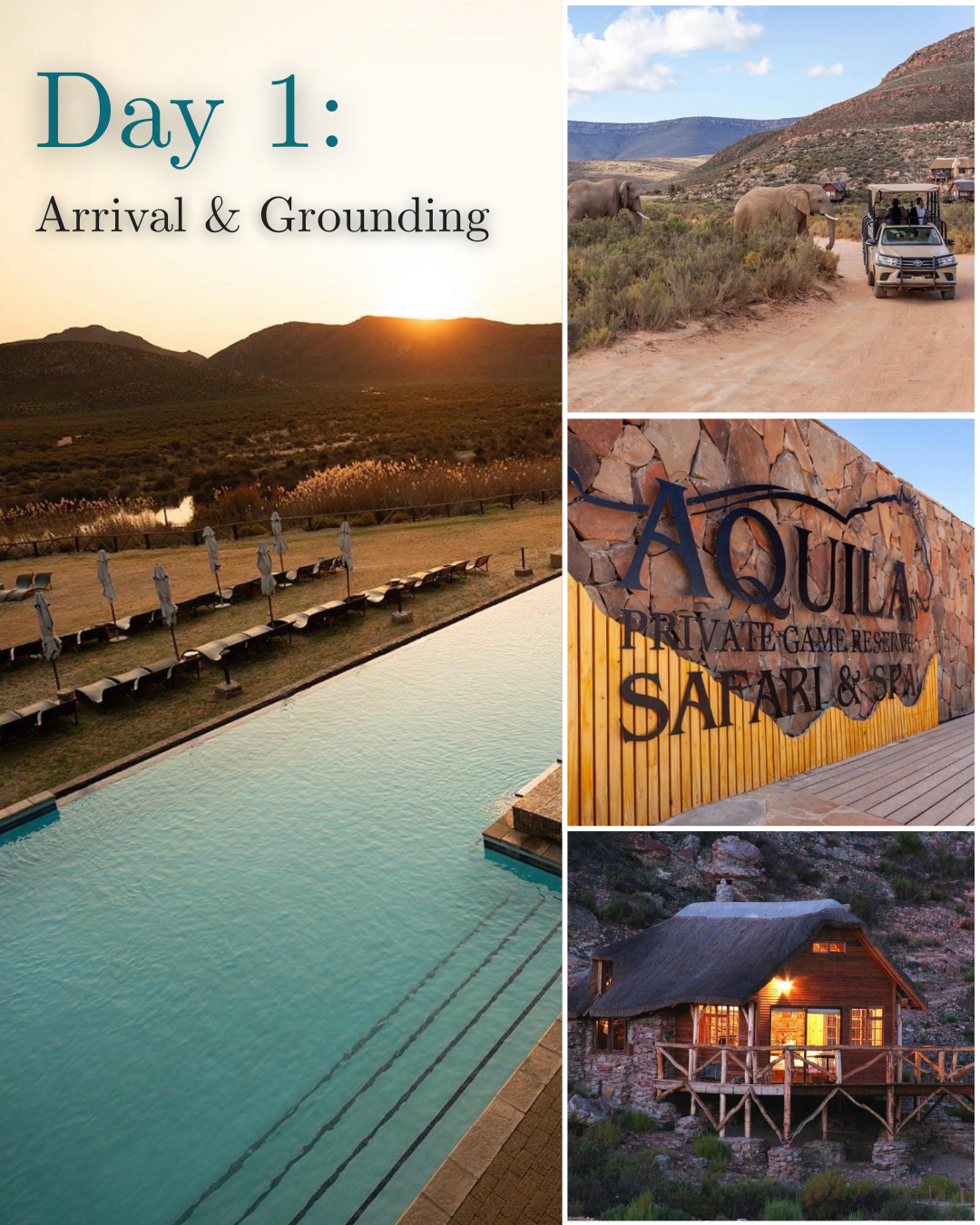
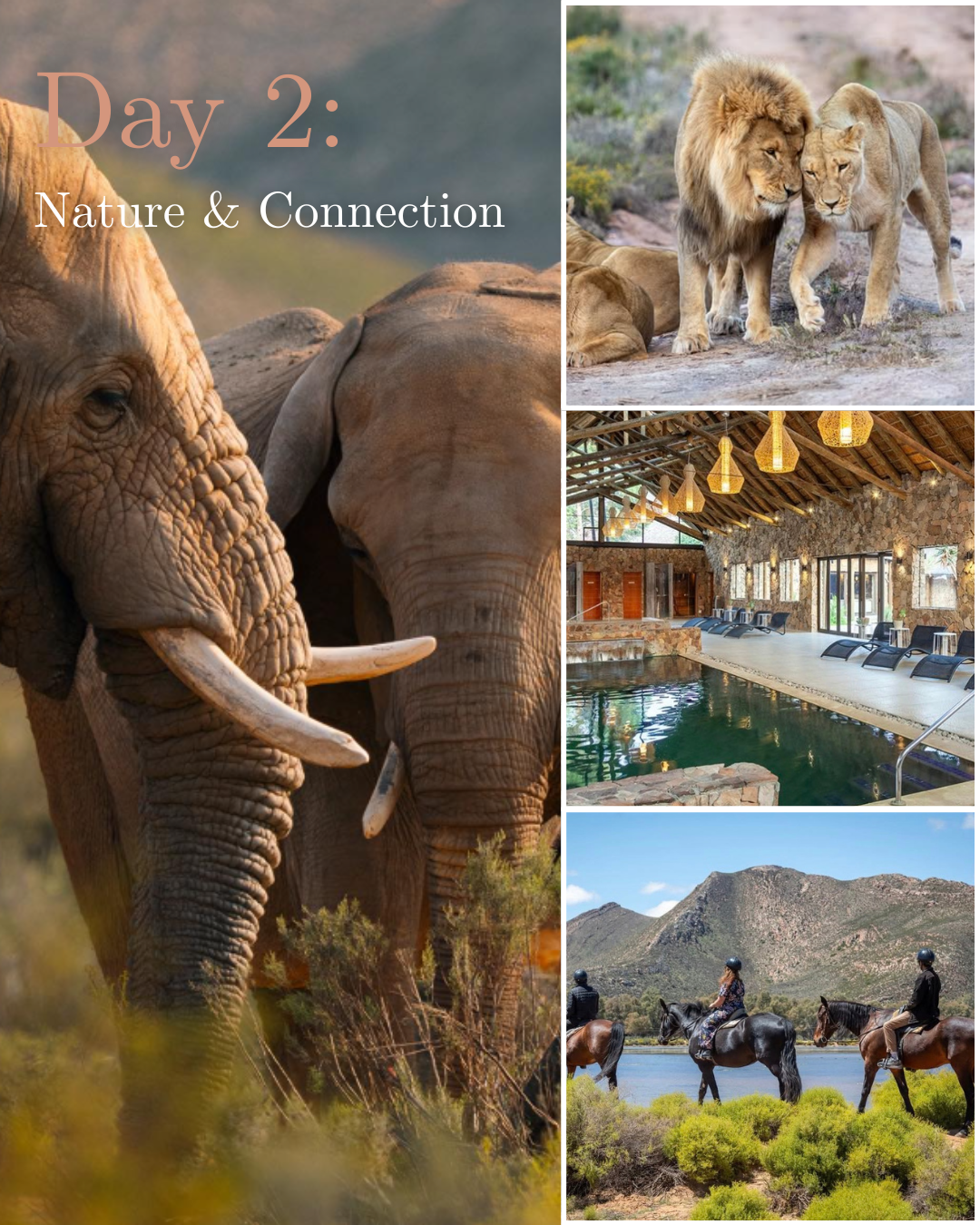
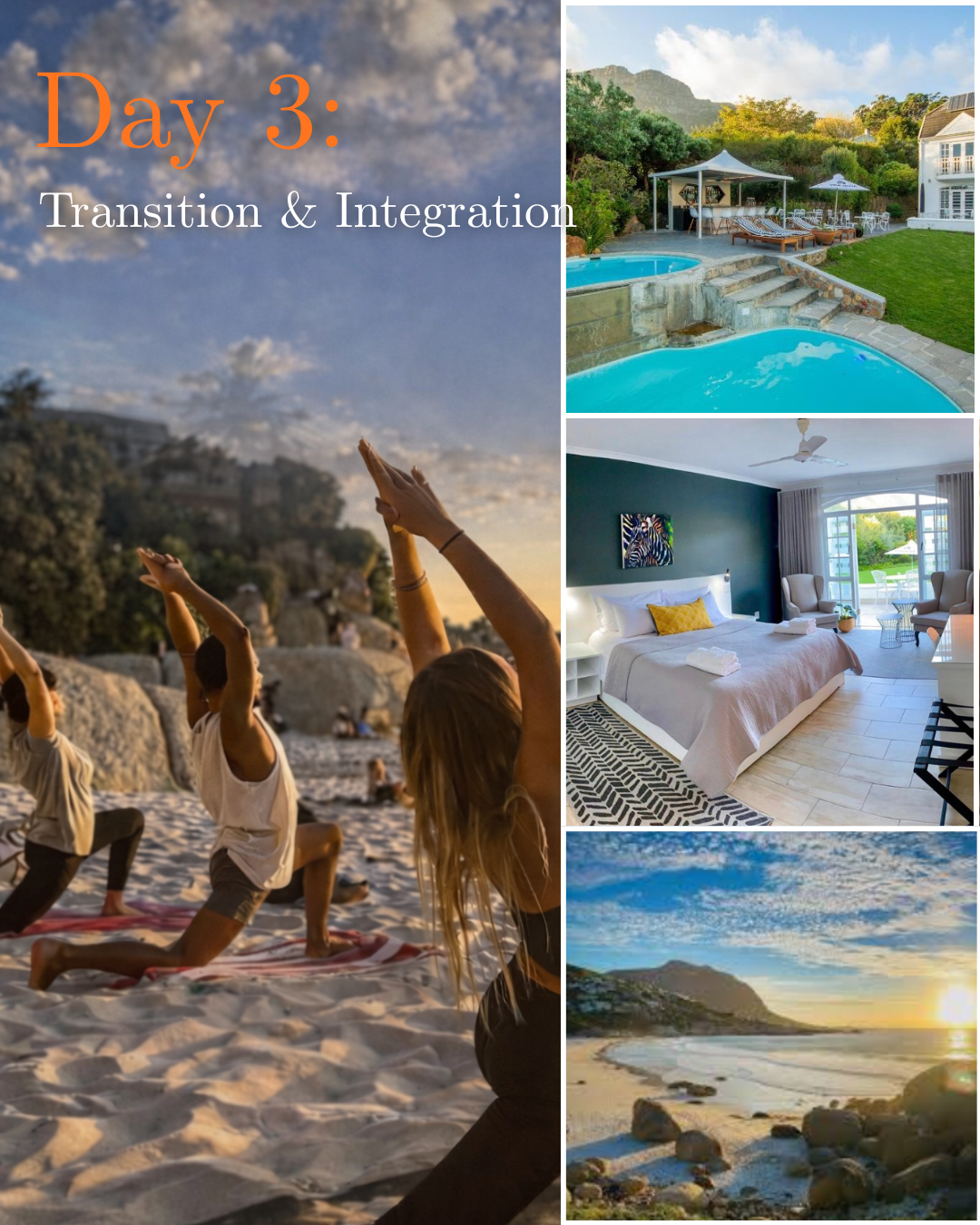
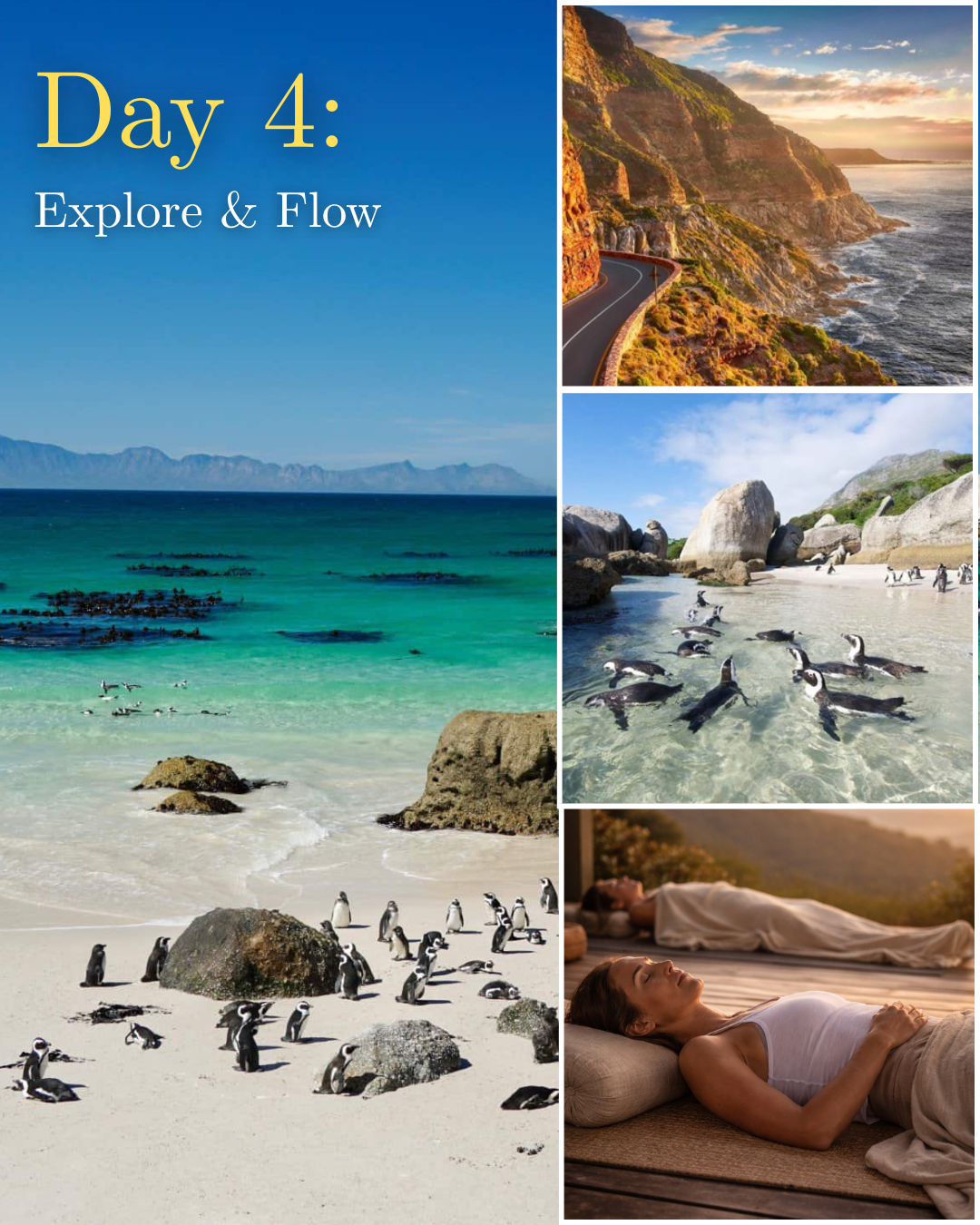
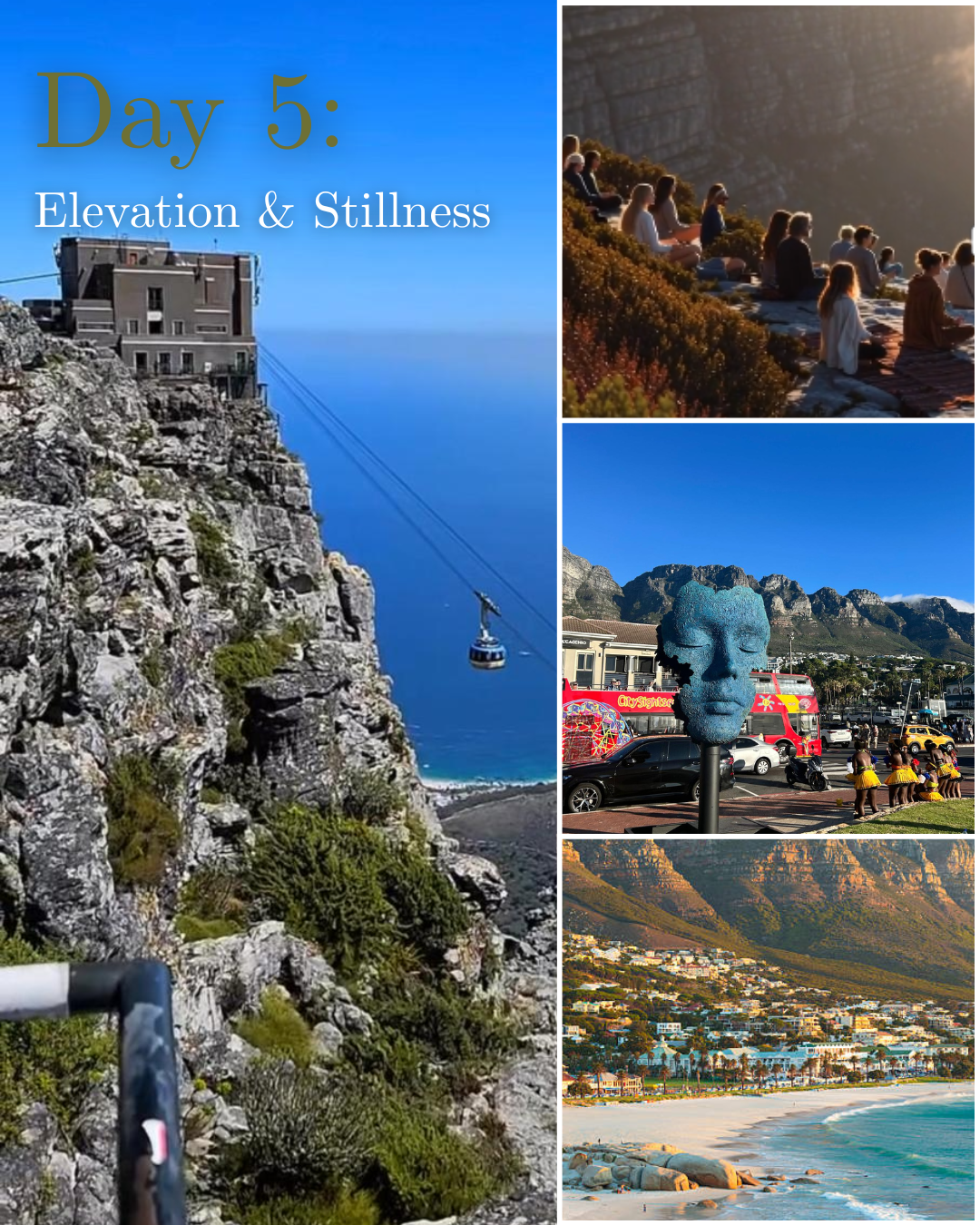
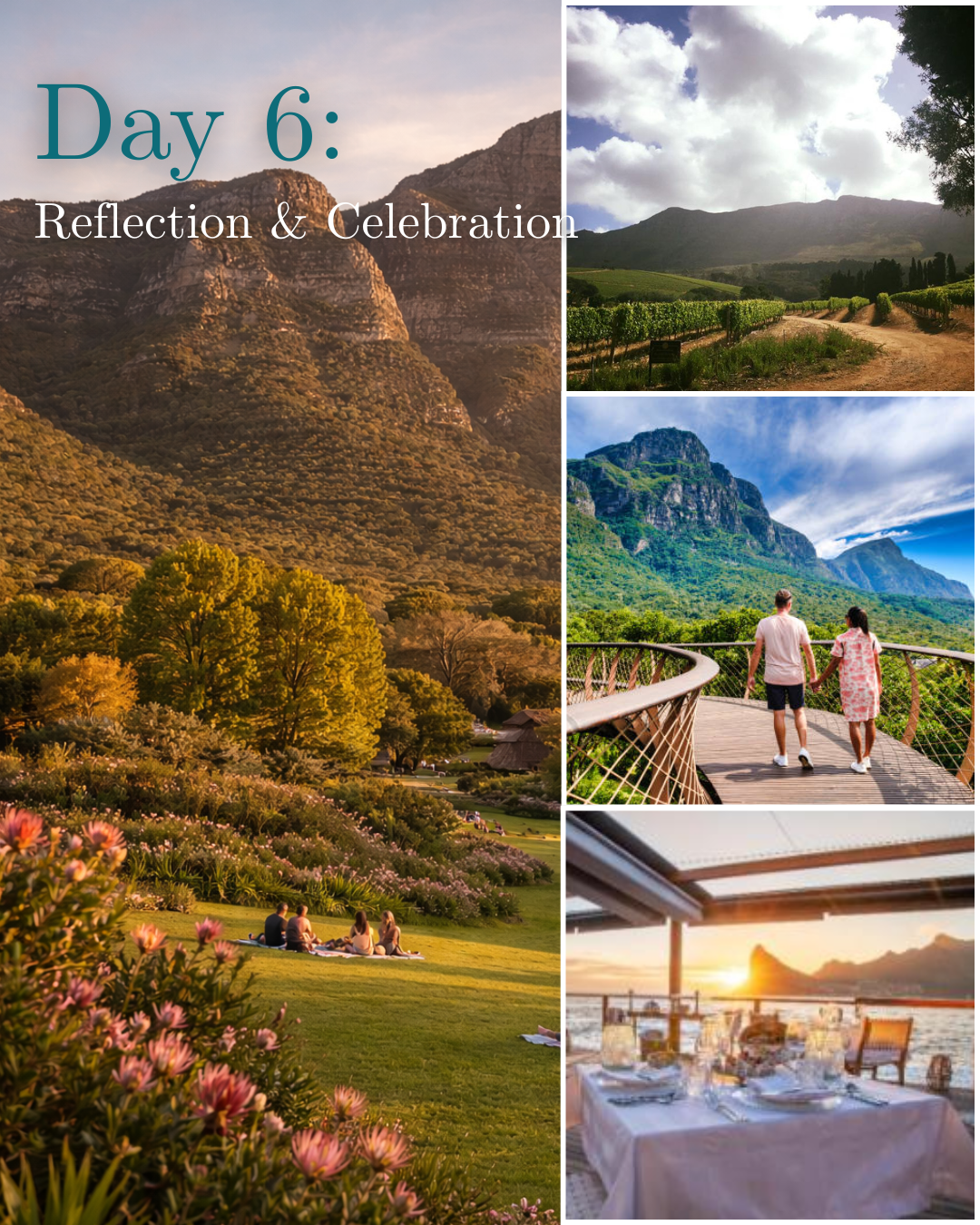
This is the time of year I built the Cuoro Yoga Cape Town retreat around. The Root to Rise retreat runs from 2nd to 8th November 2026, beginning in the wide silence of the Karoo at Aquila Private Game Reserve and continuing in Hout Bay between the mountains and the Atlantic. Two locations, one carefully sequenced arc… grounding first, then expansion, with space for the land to do its quiet work alongside the practice.
If November in the Western Cape is calling you, I’d love to share more. Check out the Root to Rise Retreat here or get in touch directly at marian@cuoroyoga.com.
Maz Bryden is the founder of Cuoro Yoga and a yoga teacher born and raised in South Africa. She leads small-group retreats blending grounded, breath-led yoga with deep immersion in the Western Cape landscape.